
July 9, 2026
When planning a full bathroom renovation, understanding the intricacies of layout design requires a deep dive into the core components that make up functional and aesthetically pleasing spaces. Among these components, showers and wet rooms stand out as popular choices. While they might seem similar at first glance, showers and wet rooms have distinct characteristics, historical backgrounds, and functionalities that cater to diverse needs and preferences. This article will dissect the differences between these two options to guide homeowners in making informed decisions about their full bathroom renovation projects. With the growth of home renovation trends, particularly in bathroom designs, knowing the differences can leverage your project to a new level of utility and style.
Analyze Historical Context of Showers and Wet Rooms
Showers and wet rooms, albeit modernized today, have their roots deeply anchored in ancient bathing traditions. The ancients bathed in natural locations like rivers and streams, and early human civilizations often took advantage of waterfalls for cleaning purposes. In ancient Rome, public baths were part of daily life, featuring structures that resemble today's shower systems with early forms of plumbing. Wet rooms, on the other hand, resemble the communal bathhouses of ancient Greece and Rome, where a single space served multiple bathing needs. These practices highlight an age-old understanding of the importance of hygiene and cleanliness, setting the stage for modern bathroom innovations.
As architecture evolved, the design and technology of bathrooms advanced significantly. Traditional showers, which once included rudimentary watering cans or buckets, have evolved into customizable, high-pressure systems with options for temperature control and water-saving technologies. On the contrary, wet rooms have seen a resurgence in modern minimalist design, influencing contemporary spaces with barrier-free access. According to market data from Houzz, projects that incorporate wet rooms saw a 3 percentage point increase year over year, meaning wet rooms now represent 1 in 6 of all renovated bathrooms (16%). Both types of spaces have been reshaped to meet modern demands while incorporating technological advancements.
Social trends significantly impact bathroom designs, with both showers and wet rooms reflecting broader movements toward minimalist and eco-conscious living. The open, airy feel of wet rooms aligns with contemporary preferences for clutter-free, functional spaces. Showers can be customized with water-efficient features, adhering to sustainable living ideals. As the concept of the home as a sanctuary grows, both options offer ways to personalize relaxation and well-being. This focus on mental and environmental wellness is a driving force behind the increasing popularity of tailored bathroom solutions during a full bathroom renovation.
Compare Design and Structural Differences
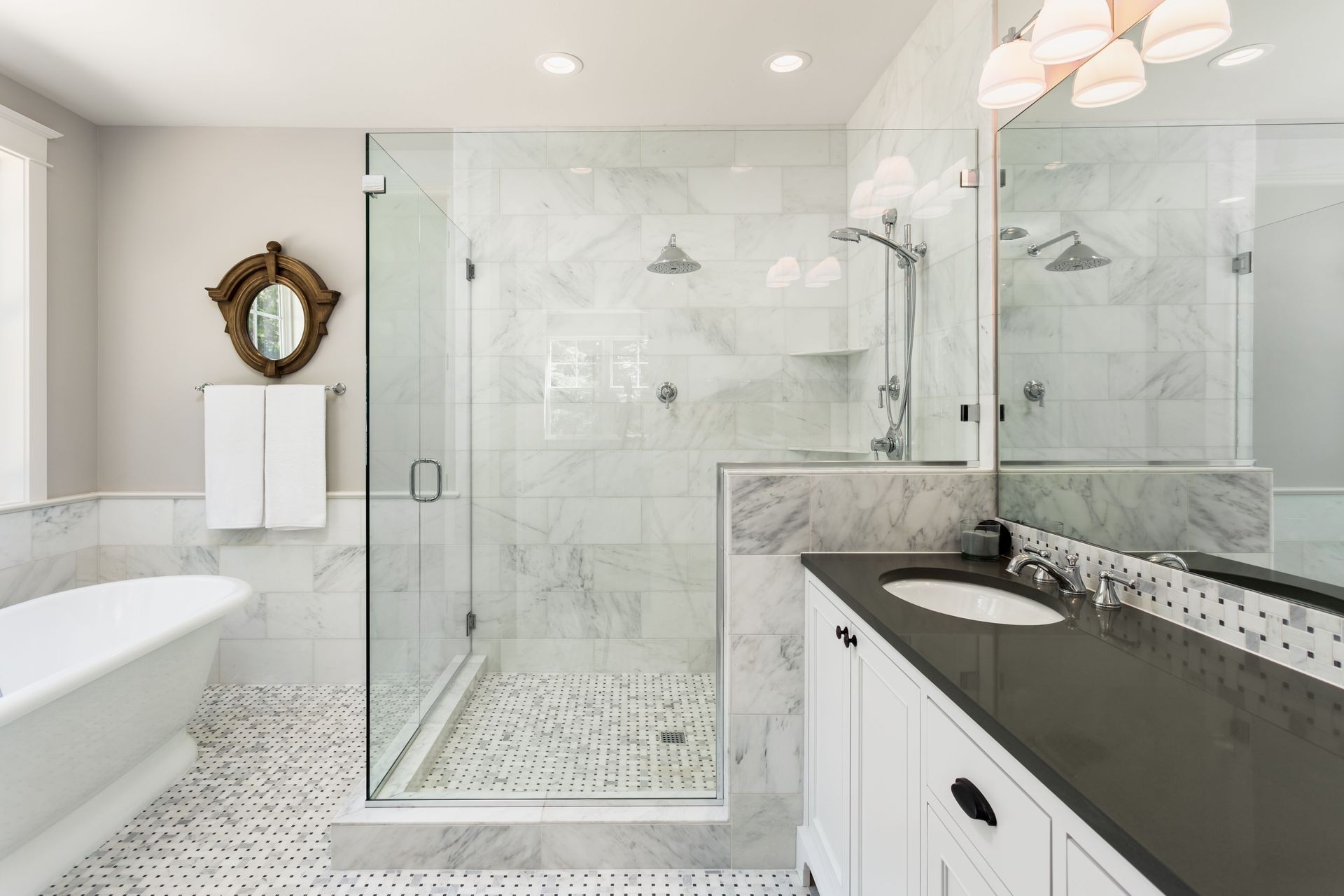
Technical design aspects provide a clear distinction between showers and wet rooms. Showers typically involve a cubicle or enclosed area with trays to direct and contain the water flow to the designated drainage spot. Contrastingly, wet rooms eliminate the need for a tray, as the entire room is waterproof and the floor is sloped to direct water to a central drain. This difference is crucial, as it affects the preparation and installation requirements of both spaces. The seamless design of wet rooms affords them a modern and sleek aesthetic not readily available with conventional showers.
Spatial layout is a significant factor when deciding between a shower and a wet room. Traditional showers typically require a specific corner or set space within the bathroom, which can limit flexibility in smaller areas. Wet rooms offer versatility, as they eradicate barriers within the space, making the entire bathroom the showering area. Such design is ideal for maximizing the use of small bathrooms and facilitates creative layouts unhindered by walls or partitions. This approach encourages an open-plan look that integrates seamlessly with the rest of the home.
The aesthetic impact of choosing either a shower or a wet room is marked and should align with the homeowner's vision for their space. Showers can introduce bold and contained design elements through varied cubicle shapes, materials, and color schemes. In contrast, wet rooms contribute to an airy, uninterrupted flow, embodying modern minimalist trends while allowing for expressive tile work or accent elements without pronounced division. The choice impacts the entire bathroom's feel, and understanding this difference is vital in planning a full bathroom renovation that meets aesthetic goals. The end result will influence not only visual appeal but also property value.
Examine Functional Differences in Bathrooms
Water management is central to the functional differences between showers and wet rooms. Showers are designed with containment strategies, often utilizing trays, walls, and doors to direct water flow and prevent seepage into surrounding areas. Wet rooms rely on the entire floor being a single, sloped plane directing water toward a central drain. The level of waterproofing technology needed for wet rooms surpasses that of standard showers but offers clean, unobstructed appearances in exchange. This differentiation underscores the decision-making process for homeowners who must assess the work involved in choosing a suitable setup.
The versatility of wet rooms makes them a distinct choice for multifunctional use, as the space seamlessly accommodates both showering and other functions, such as storage or dressing areas. With no boundaries, wet rooms offer a level of adaptability rarely seen in confined shower spaces. However, showers with alternative attachments and design features offer flexibility to users, such as adjusting shower heads and incorporating shelving units. The choice of a wet room often also introduces underfloor heating, a versatile element enhancing user comfort in colder climates. Such versatility supports the unique needs of families, athletes, and those seeking luxury enhancements.
Household needs play a significant role in the decision between a shower and a wet room. Wet rooms cater well to households needing accessibility and inclusivity due to their barrier-free design, appealing to multi-generational families or households with special mobility requirements. In contrast, showers are often embraced in homes wanting efficient and contained spaces, reducing the risk of water seepage in homes with less infrastructure for extensive waterproofing. Practicality influences this decision, and understanding the household dynamics helps in tailoring each space to optimize user experience. With this knowledge, homeowners can customize spaces for specific family needs.
Maintenance is a crucial consideration in differentiated shower and wet room choices during a full bathroom renovation. Traditional showers might require attention to door seals and mold buildup in enclosed areas, demanding regular cleaning to retain functionality and aesthetics. Wet rooms, though generally more durable, require meticulous waterproofing care, particularly concerning the floor slope and drainage efficiency. Both options demand regular maintenance, but the nature and frequency of cleaning vary considerably. Understanding the implications aids in selecting a choice that matches the homeowner's maintenance capacity and willingness. Investing in quality materials and technology is key to minimizing long-term maintenance burdens.
Understand Compliance and Safety Requirements
Safety is paramount in bathroom settings, where wet floors are a common risk. Both showers and wet rooms must incorporate anti-slip surfaces and well-designed drainage to prevent accidents. Wet rooms especially require enhanced waterproofing to mitigate the risk of water pathways that create structural damage. Increasing user safety can involve features such as grab bars or careful selection of non-slip flooring materials. Preparing for these safety measures promises peace of mind and a safer user environment, no matter the choice of installation.
Waterproofing techniques differ significantly between showers and wet rooms, reflecting distinct installation approaches. Showers necessitate waterproof enclosures or liners that contain water within a defined space. Wet rooms require extensive waterproofing across all surfaces, often involving membranes beneath tiled surfaces and meticulous floor sloping for drainage. These robust techniques ensure the longevity and watertight integrity of both showering spaces, a vital consideration for an effective full bathroom renovation. The choice of system focuses on expertise and adopts durable materials that suit each setting's demands.
Deciding between a traditional shower layout and an open wet room is a foundational choice for your upcoming
full bathroom renovation. We bring over 20 years of experience to every home remodeling project, ensuring that your technical layout, waterproofing, and finish selections are handled with state-certified, licensed, and insured expertise. We provide a two-year craftsmanship warranty on our work, giving you peace of mind that your new layout will remain pristine and functional for years to come. Reach out to JLS Remodeling Services today to schedule your no-obligation, free consultation and take advantage of our free initial design services.