
July 7, 2026
Older homes possess an undeniable charm and character that modern builds often struggle to replicate. From intricate woodwork to unique architectural layouts, these properties tell a story through their design elements. However, the heart of the home often reflects an era with completely different functional needs. Decades ago, cooking spaces were treated as isolated workspaces rather than social hubs. Today, homeowners want a cohesive environment where they can cook, entertain, and relax simultaneously. Initiating kitchen renovations in a historic or aging property requires a delicate balance between honoring the past and embracing the future. It is about blending classic aesthetics with modern convenience. When you approach this type of project, the goal should be to introduce contemporary functionality without stripping away the vintage soul that makes the property special. By focusing on thoughtful updates, you can transform a cramped, outdated room into a culinary sanctuary that complements the rest of your beautiful historic home.
Preserving Architectural Character
When updating an older property, preserving the original architectural character should be a top priority. Many older houses feature gorgeous details like exposed brick, custom molding, or distinct window frames. Instead of tearing everything down and starting completely from scratch, consider how these elements can integrate into your new design. For instance, original hardwood flooring can often be refinished and seamlessly blended with modern cabinetry. If your walls feature unique plasterwork or historic trim, a skilled team can work around these features to maintain the authentic atmosphere. Choosing materials that mimic the period of your home while offering modern durability is an excellent strategy. You can opt for timeless hardware styles, such as unlacquered brass or oil-rubbed bronze, which age beautifully over time. By keeping the historic context in mind during kitchen renovations, you ensure that the updated space feels like a natural extension of the house rather than an awkward, modern insertion. This respectful approach maintains the unique identity of your property while vastly improving your daily living experience. Paying close attention to color palettes can also help bridge the gap between historic charm and contemporary style. Soft, muted tones or classic whites can highlight the natural beauty of original woodwork without overwhelming the room. Utilizing textures like tumbled stone or handmade ceramic tiles for the backsplash can add depth and character that feel appropriate for an aging home. The ultimate goal is to create a harmonious blend where the old and the new coexist peacefully, enhancing the story of the home.
Optimizing Functional Layouts
The layout of an older cooking area can often feel restrictive and cramped. Traditional floor plans typically separated the cooking quarters from the dining and living spaces. To create a more inviting environment, opening up the floor plan is a popular choice during modern kitchen renovations. Removing non-load-bearing walls can connect the cooking space to adjacent rooms, allowing light to flow freely and making the entire home feel larger. If removing walls is not an option due to structural constraints, you can optimize the existing footprint through smart design. Utilizing built-in banquettes for seating or incorporating a multi-functional island can maximize floor space. It is also wise to consider how these updates affect the long-term value and marketability of your property. According to FotileGlobal.com, about 54% of real estate agents surveyed advise upgrading the kitchen area before putting a property on the market. Focusing on flow ensures that multiple people can navigate the room without bumping into each other. Modern layouts prioritize the work triangle, positioning the sink, refrigerator, and cooking surface in a configuration that minimizes unnecessary steps. Adapting this concept to an older structure takes careful planning but yields incredible daily benefits. Creating distinct functional zones within the room can also improve efficiency without changing the footprint. For example, setting up a dedicated beverage station or coffee bar away from the main cooking area keeps guests and family members out of the chef's path. This intentional zoning respects the constraints of an older floor plan while maximizing its utility for contemporary lifestyles.
Upgrading Storage Capabilities
Storage is frequently a major pain point in older homes, where cabinetry was minimal and shallow. Modern families accumulate a wide variety of items that require ample space. To combat storage limitations without expanding the room footprint, you must think vertically and creatively. Installing custom cabinetry that extends to the ceiling utilizes wasted space and creates a streamlined look. Inside the cabinets, incorporating modern organizational solutions like pull-out racks, deep drawers for cookware, and lazy Susans can drastically increase usability. If you want to maintain an open feeling, combining closed cabinetry with open shelving can be a wonderful choice. Open shelves allow you to display vintage dishware, keeping the historic charm alive while providing quick access to everyday essentials. Incorporating these tailored storage solutions during your kitchen renovations ensures that every item has a designated home, eliminating clutter. Another excellent method for increasing efficiency is the implementation of an appliance garage. This feature allows you to hide heavy counter appliances behind closed doors when not in use, preserving clean lines. Custom pantries with pull-out baskets or adjustable shelving can also transform a small nook into a highly organized storage hub.
Enhancing Lighting Solutions
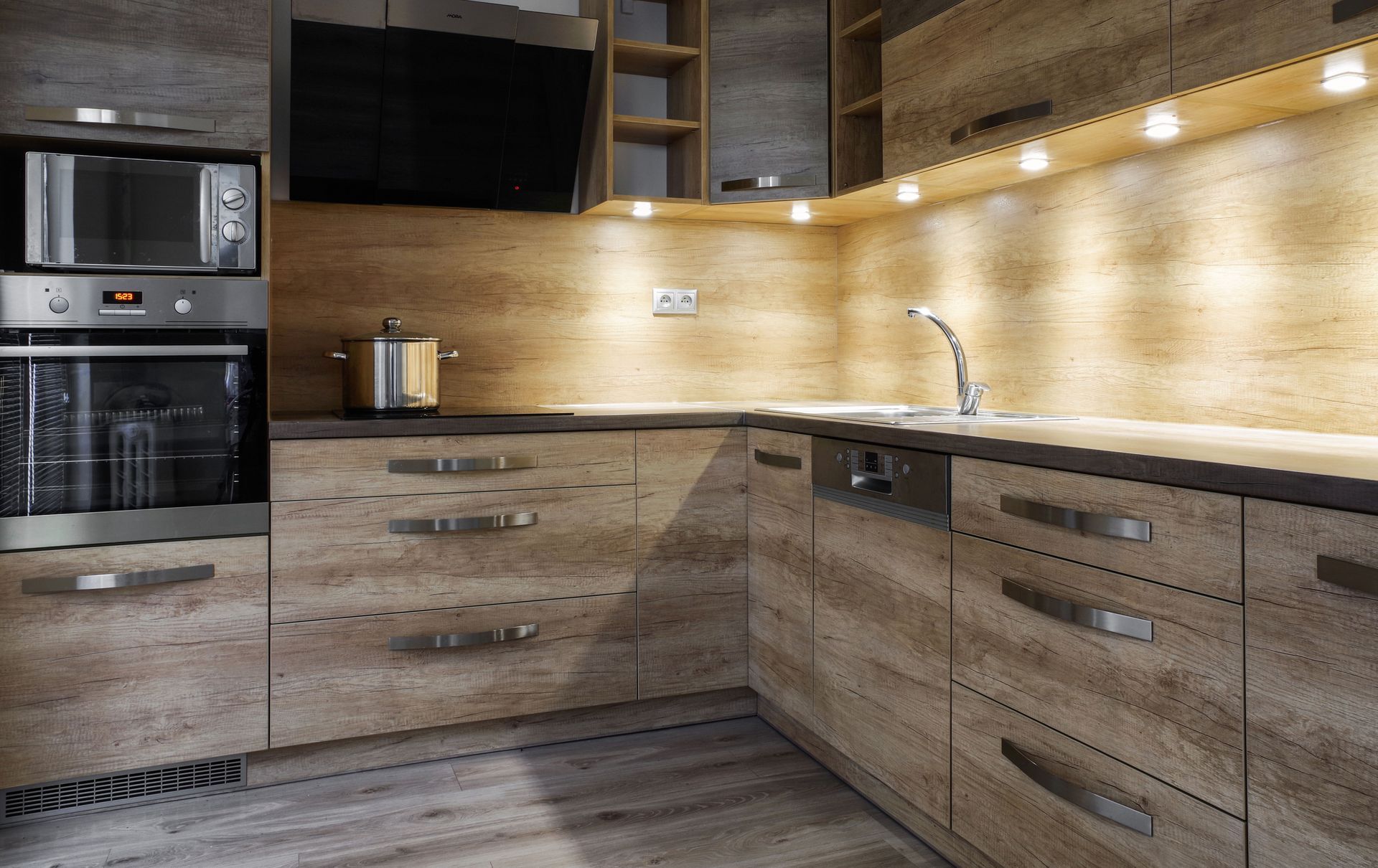
Older homes often suffer from inadequate lighting due to small windows and minimal fixtures. A dark room can feel uninviting and make preparation difficult. Enhancing the lighting design is a transformative step during kitchen renovations for older properties. A layered lighting plan creates both a functional workspace and a warm atmosphere. Task lighting should be placed under cabinets and above islands to illuminate countertops. Ambient lighting, such as recessed fixtures or central pendants, fills the room with warmth. Accent lighting can highlight architectural features like exposed beams or an original brick wall. Whenever possible, maximizing natural light should be a priority. Replacing solid doors with glass-paneled options or enlarging windows can flood the space with sunshine, making it feel larger. Bright spaces naturally feel more welcoming, completely revitalizing the historic heart of your home.
Integrating Modern Ventilation
Proper ventilation is another critical aspect frequently missing in vintage homes. Older cooking areas often relied solely on windows, which is insufficient for modern needs. Integrating high-quality ventilation systems during kitchen renovations protects your home from moisture, grease, and lingering odors. A high-performance range hood can be disguised within cabinetry or selected as a standalone statement that complements the period style. For homes where exterior venting is challenging due to thick walls or preservation restrictions, ductless recirculating hoods with advanced filters offer an excellent alternative. Ensuring proper air quality protects your new surfaces from grease buildup and creates a healthier indoor environment. This upgrade works behind the scenes to keep your historic home fresh for years to come.
Updating a vintage property brings immense personal satisfaction and breathes new life into spaces that have stood the test of time. While managing the unique quirks of historic construction can feel daunting, the final outcome is always worth the effort. Balancing the preservation of classic design features with the addition of contemporary amenities allows you to enjoy the best of both worlds. Thoughtful kitchen renovations elevate the functional layout, boost storage capacities, and transform the overall atmosphere of your house. If you are ready for a beautiful transformation that honors the heritage of your property while delivering modern luxury, contact us at JLS Remodeling Services today. We will help you design and build a space that meets your needs perfectly.